A Practical Case for the College of St. Joseph
Problem
The American higher education system is broken. It doesn’t take a genius to look at the situation and derive that conclusion. Whether it is the insurmountable debt that students exit their four years with, or the departure from a search for truth and beauty - the current students of our nation look at the 4 year degree they will earn as a credential. It has ceased to be a place where we send our young men and women to be formed into a virtuous citizen base.
Faced with this reality, it is incumbent upon us to ask “how should we Christians now respond?”
The Catholic Church teaches definitively that our responsibility, as the laity, is to sanctify the temporal order. To fix the systems of culture, economy and politics by aligning them with the Kingdom of Heaven.
So, let us ask the question: what is the highest ideal to which a college or university could aspire? What would be the purpose this institution?
“what is the highest ideal to which a college or university could aspire? What would be the purpose this institution?”
Solution
This college should aim at reviving a citizen class of educated workers who can hold the powerful forces of our society to account and who can work to solve our actual societal problems on the ground, in our towns. In other words, the college strives to raise up people who are capable of living out the principle of subsidiarity.
This citizen base is what will actually turn the tide in our mission, of sanctifying the temporal order.
And this citizen base must be financially independent—men and women capable of providing for themselves and their families. They must be intellectually integrated: able to unite contemplation and action, to see reality whole, and to order work, family, and civic life toward the good. And they must be spiritually alive, because only a life infused with God’s grace can sustain virtue—and only through virtue can we hope to rebuild the pillars of our republic.
Methodology
We pursue this mission through an integrated formation—intellectual, practical, and spiritual—so that graduates can judge rightly, act competently, and serve faithfully in the concrete needs of their communities.
1) Learn to Think
Liberal Arts for Real Life
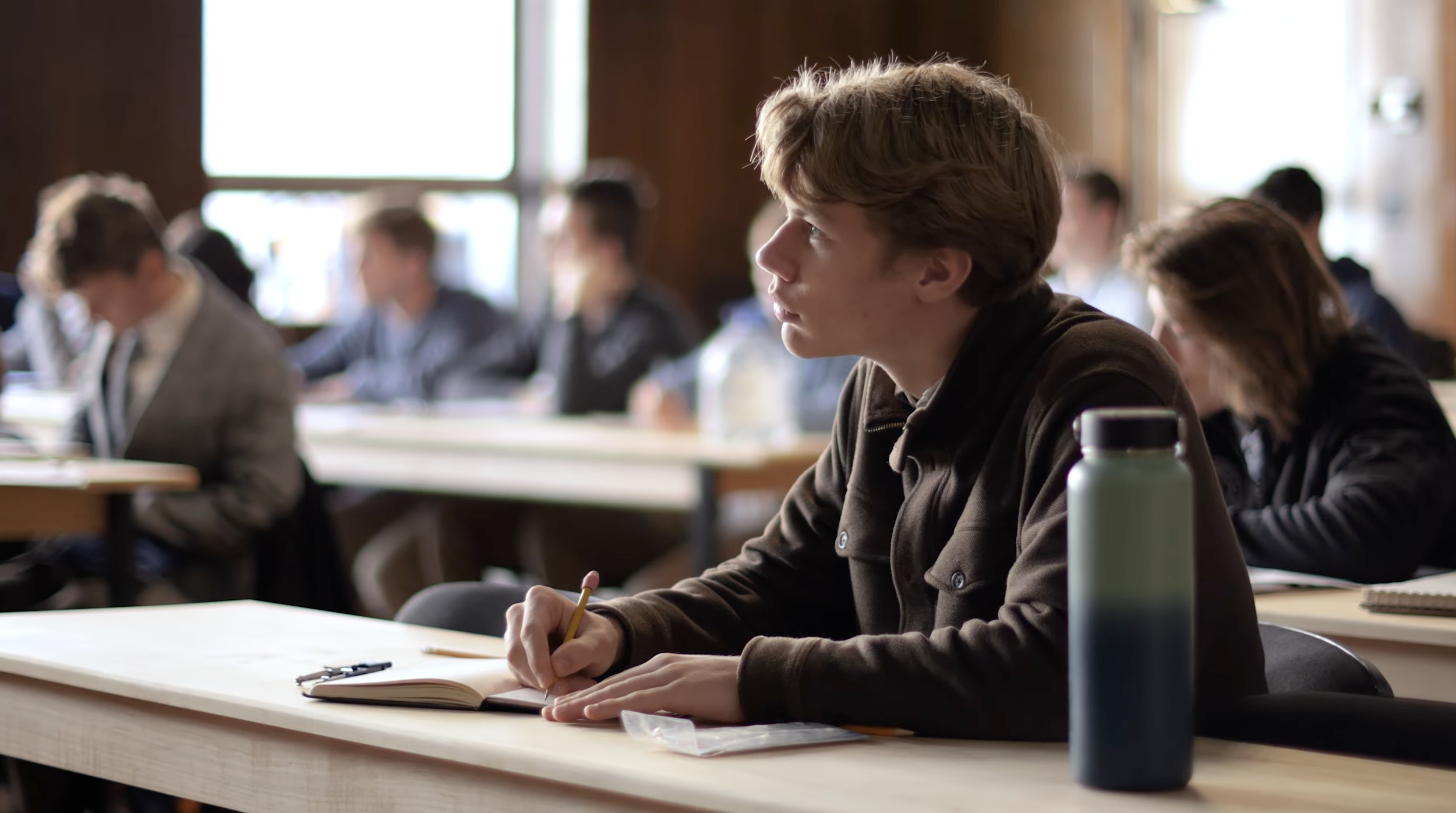
We put students in sustained contact with the Catholic Intellectual Tradition, so their minds are formed for judgment, not for credentials. We train them in logic, rhetoric, and writing so they can argue honestly, name what is true, and resist manipulation. And we teach them to ask, first and always: “what is this for?” “what is the good?”—before asking only “what is efficient?”
2) While Learning to Work
Trade Mastery & Productive Responsibility
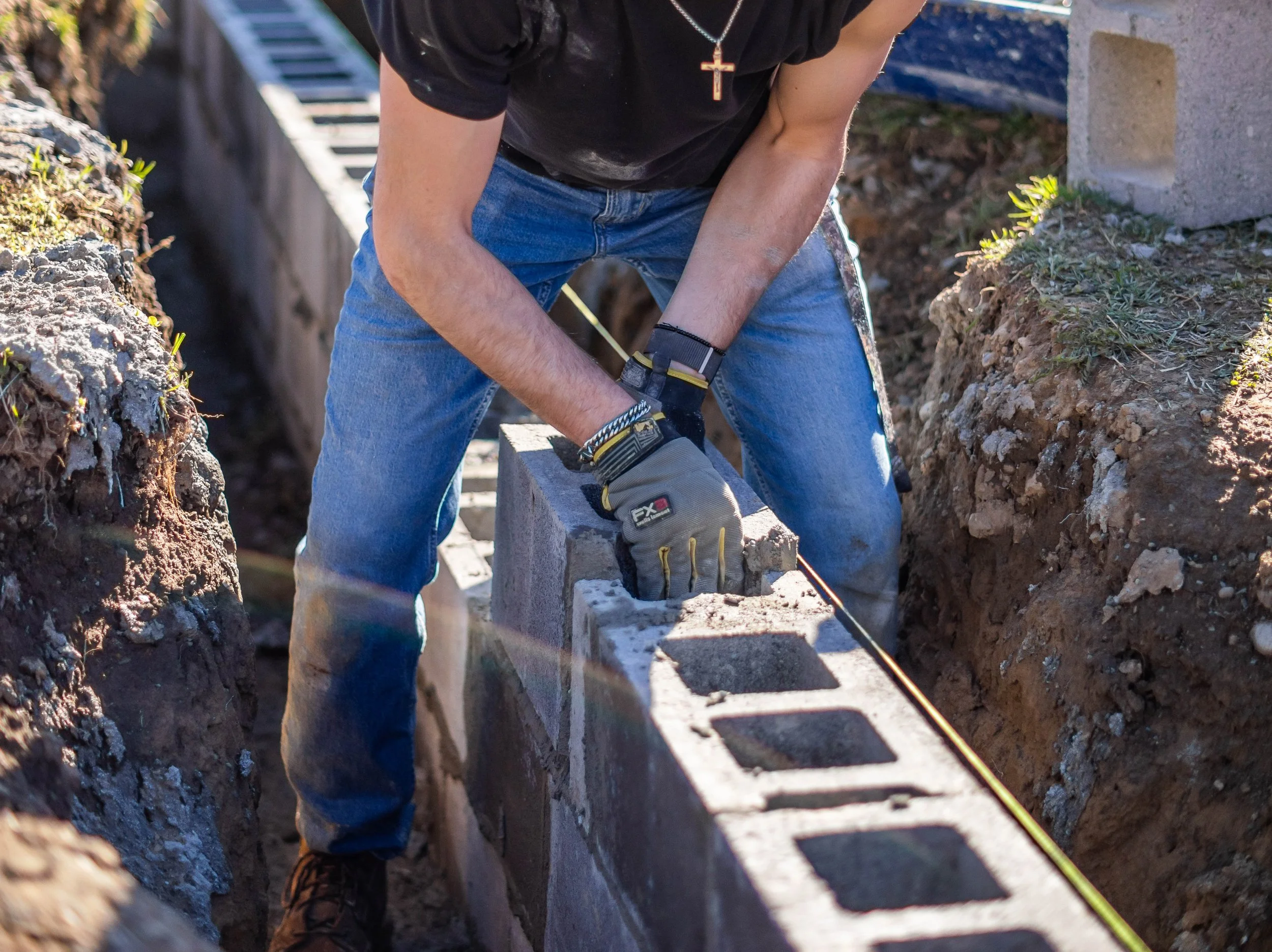
Students learn by apprenticeship in the building trades, taking on real responsibility that forges competence, discipline, and confidence. Their work is measured by real standards of quality, timeliness, and accountability to a paying customer, so that skill becomes dependable craftsmanship. In doing so they learn stewardship: how to build, maintain, and improve the material life of families and towns.

3) Suffused with Grace
Prayer, Sacraments, and Moral Formation
Skill alone does not make a good life. This formation is sustained by prayer and the sacramental rhythm of the Church. Students are formed in virtue, so that skill becomes service rather than a fulfillment of self. And they live in a community marked by friendship, mentorship, and a shared pursuit of holiness.
4) From Day 1
We are called to be Christians now, not sometime in the distant future
We do not aim to produce Christians who will eventually begin to make a difference in the world. Everything in our education seeks to inculcate them into a life that is radically Christian. They are not renters of apartments, or kids living in dorms, they are adults living in homes, for which they are responsible to maintain.
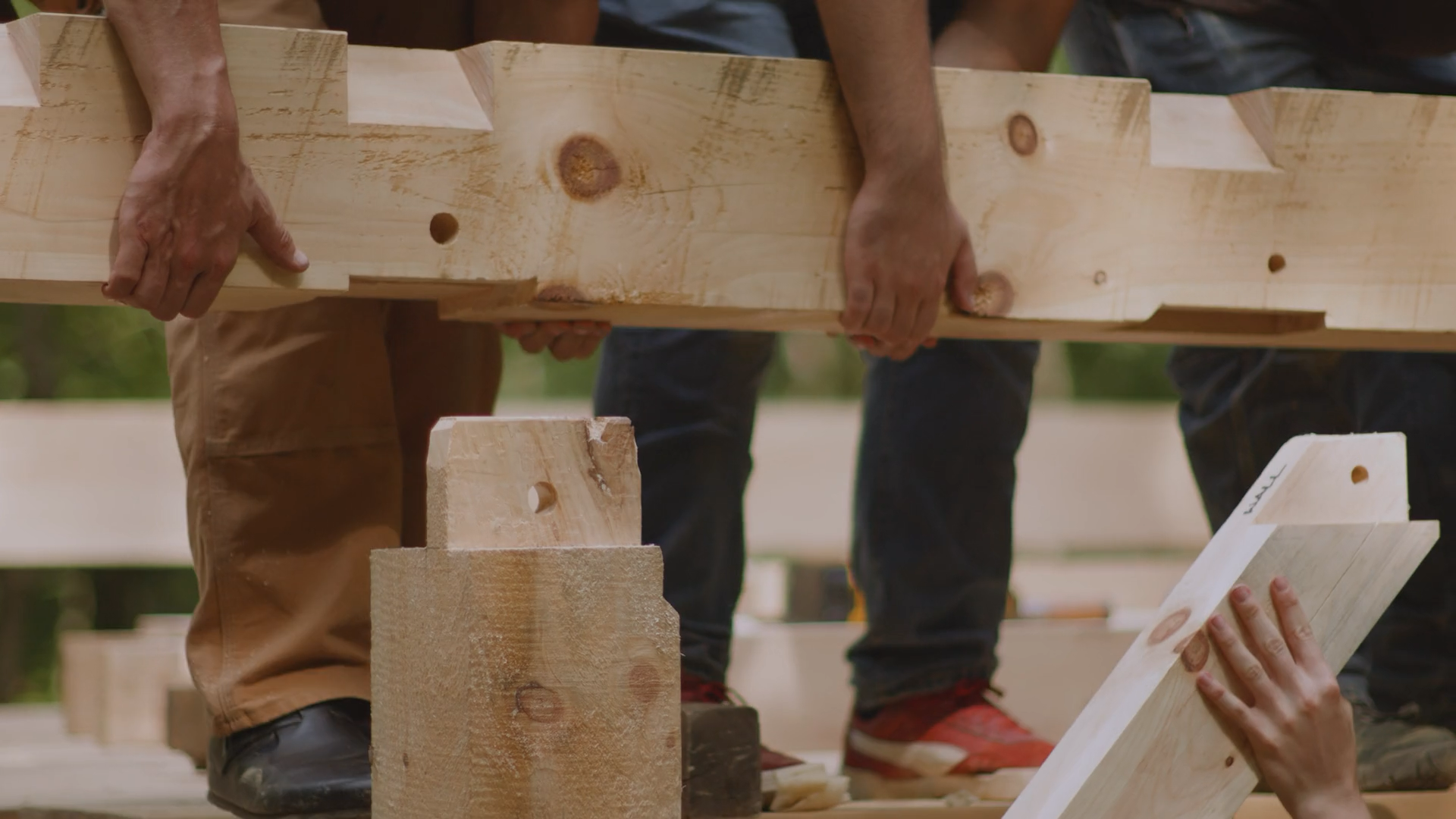
Our students do not learn skills so that they can some day apply them in the world, they are building homes, renovating buildings and providing services to real families in the Ohio Valley, as they learn their respective trade.
And our students do not accumulate debt with the hope of one day paying it off. They are taught skills, with which they earn a living during the school year and summers, so that they can be self-sufficient financially throughout college, not a decade or two afterwards.