Redeeming the Building Arts
Vision Statement on the Trades

“As a man believes, so he builds.”
The College of St. Joseph the Worker endeavors to please God by elevating everything we touch towards Him, in accordance with his great, salvific plan. To this end, we seek education in the liberal arts, sanctifying and elevating our minds; we seek formation in the virtues, sanctifying and elevating our being. And we seek excellence in the manual arts, sanctifying and elevating our world in order that it might more perfectly show forth the activity of the First Builder, the Architect of the World, our Lord and Creator.
Human beings are active: we construct our world. This construction is integral to our being made in the image and likeness of God. As we cannot leave our mind or our moral character unaffected by their origin and destiny as the Divine image in us, so we cannot leave the building trades alone, abandoning them to the world and its reductive “wisdom.”
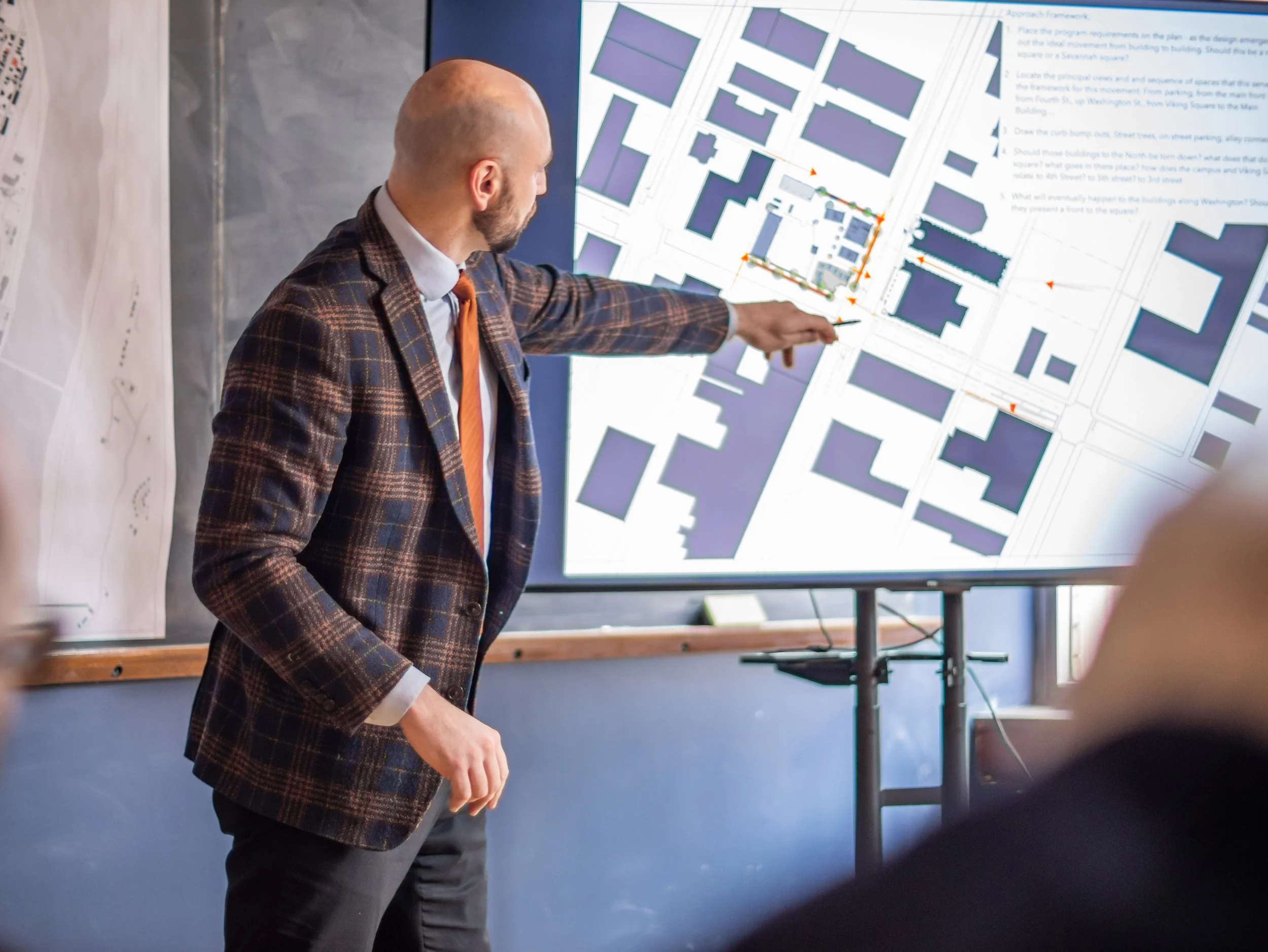
The Church has long reflected on building, “the dignity of work,” and “the lay vocation to sanctify the temporal order.” The subjective aspect of building—man as a worker—has been deeply considered and we aspire to receive and continue this tradition with reverence. The objective aspect of building has received much less attention, and with good reason: what we are to build is an imminently practical question, answered with reference to the particularity of the present moment and its needs. This practicality marks the objective aspect of building as a matter proper to the lay vocation. The clergy have told us how to work. We need to decide what to work on—what we will build, what it will look like, what it will be made out of, how the construction itself will be organized, and how all of this is ordered toward the elevation and sanctification of the world.
The answers to these questions cannot be known in advance. Nevertheless, we are not starting from scratch. Our popes have taught us to discern, in these modern times, a tendency to prioritize capital over labor, productivity over creativity, efficiency over beauty, low costs over permanency, the individual over the community, and the easy gratification of low desires over hard-won persistence in happiness. We have lost a great deal of the wisdom and skill that we once had. Retrieving the tradition from which modernity departs is a priority on which good and beautiful buildings depend.

And yet, the same popes have taught us to sanctify the goods of modernity. The economic—and sometimes structural—improvements of conventional building must be recognized and incorporated within our considerations of how to build. We must not overlook the genuine developments of modern materials, modern tools, and modern methods in an exclusively backward-looking or sentimental posture.
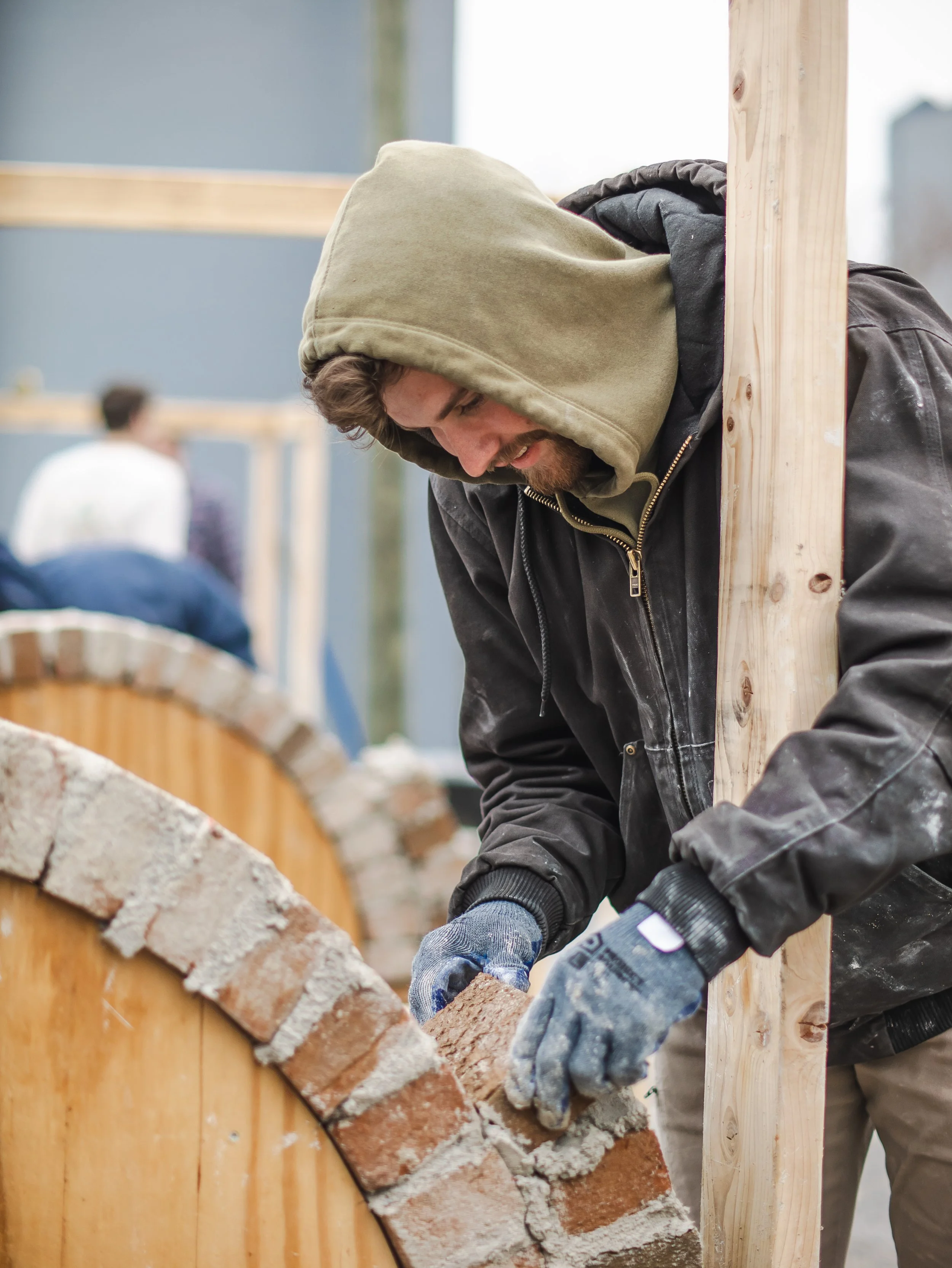
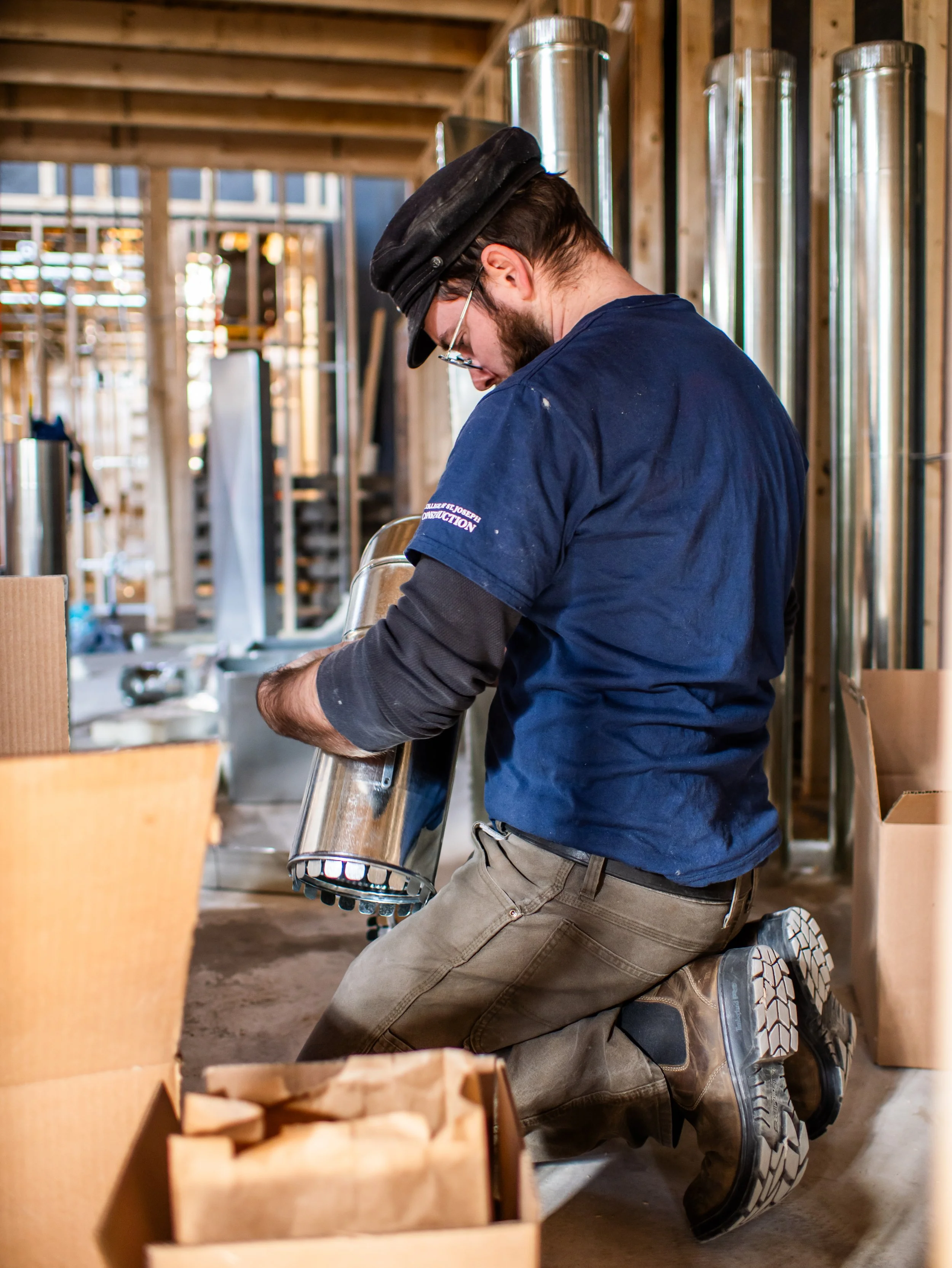
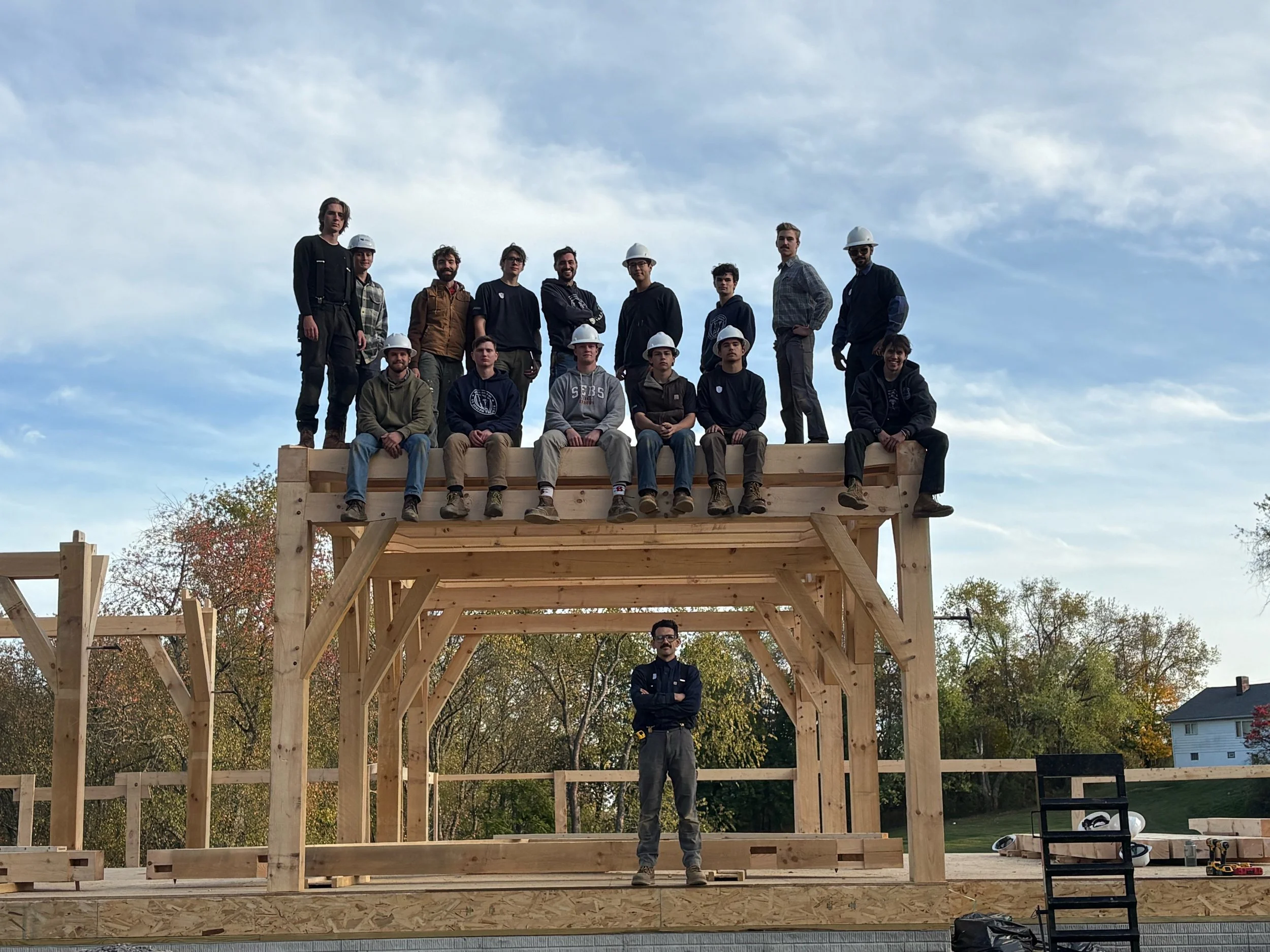
What is needed is a creative synthesis, a retrieval that is at the same time forward looking and openminded. We do not presume to know what the synthesis will look like. What we know is that we cannot forget what is old, and we cannot reject everything that is new. Rather, we must remain genuinely traditional: a people who receive the treasures handed on to us and carry them forward in a new, creative, and living manner. And so, The College of St Joseph the Worker hopes to preserve traditional methods for the sake of enhancing and perfecting contemporary ones. A good result will only come about from a constant rhythm of discernment, liberty, prayer, and training. It is to that end that our program seeks to produce the comprehensive builder: one who understands every aspect of building—from the systems of statics and electricity to the materials and their composition. We instruct our students in modern methods while heavily considering and actively teaching traditional methods as well.
Classically, the construction trades were considered arts, not mere means of production. The craftsman brings human, creative agency to his craft—otherwise he is merely a breathing machine. The College of St. Joseph the Worker will train craftsmen and wait with bated breath to discover what their Catholic genius will build. This is how the manual trades will become again arts and in so doing bring glory to God through the elevation and sanctification of the world.